

When you’re managing diabetes, the conversation usually revolves around "carbs" and "sugar." But for long-term health, the type of fat you eat is just as important. Fats are vital in your diet because they not only help stabilize your body’s blood sugar response to meals and snacks, fats also help us metabolize certain vitamins like A, D, E, and K (fat-soluble vitamins).
Research shows that saturated fats can make it harder for insulin to do its job, effectively "clogging" the system and making blood sugar more difficult to control. By swapping “solid” fats for "healthier" fats, you can lower your LDL (bad) cholesterol and improve your insulin sensitivity at the same time.
Here are three simple fat swaps to protect your heart this month.
Saturated fats like those found in butter, lard, and coconut oil are typically solid at room temperature. Although most fat sources have both saturated and unsaturated fats, it’s the proportion that is most important. Foods highest in saturated fats are the primary contributors to high blood cholesterol levels.
Many store-bought salad dressings are "hidden" sources of saturated fats and added sugars, which is a double-whammy for someone with diabetes.
Red meats like ribeye, bacon, and sausage are high in saturated fat and can drive up your "bad" LDL cholesterol quickly.
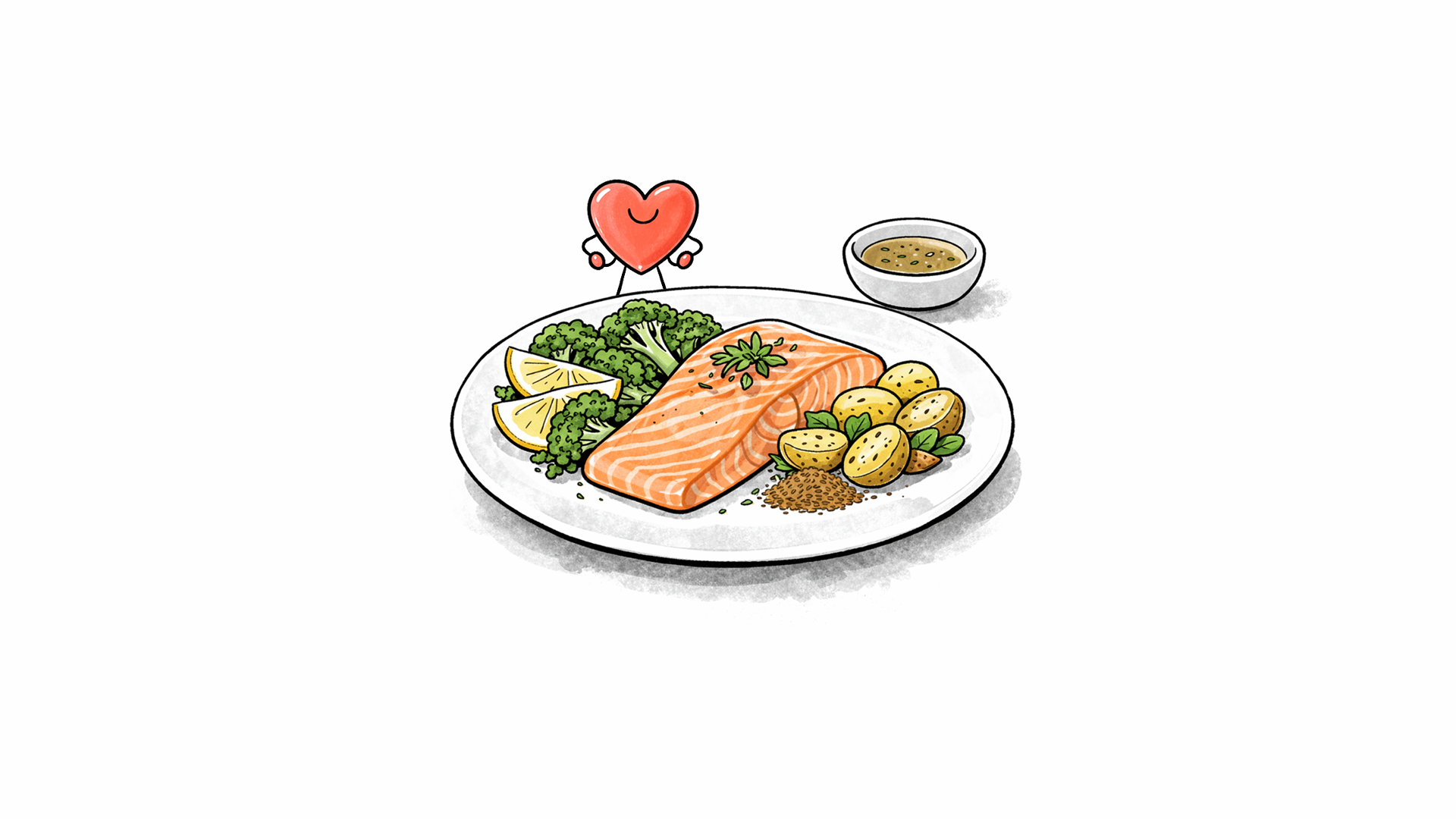
While "healthy" fats are better for your heart and blood sugar, they are still calorie-dense. A little goes a long way! The Rewind plate recommends 1 tablespoon of healthy fats with your heals. Focus on replacing the "bad" fats with "good" ones rather than just adding more fat to your diet overall.
Expert Tip: If you're missing the creaminess of dairy, try swapping sour cream for plain non-fat Greek yogurt. You'll get the same tangy texture with a boost of protein and zero saturated fat.