


As the weather warms up in May, the "sweet tooth" doesn't go on vacation. For many of us managing diabetes and continuing our weight loss journey, dessert can feel like a forbidden zone. We’ve all been there: staring at a slice of cake at a summer BBQ, knowing it will lead to a blood sugar spike and a setback in our weight loss journey.
But nature has a solution that hits its peak right now: Berries.
Berries are essentially nature’s “candy," but with a built-in safety switch. This May, we’re reclaiming dessert by focusing on strawberries, raspberries, blackberries, and blueberries which add sweetness, but also add fiber and antioxidants with very little blood sugar response.
If you were to design the perfect dessert ingredient for glucose control, it would look exactly like a berry. Here is why they are the gold standard for your health goals:
Berries are packed with pectin and soluble fiber. For example, a cup of raspberries has a whopping 8 grams of fiber. Fiber acts like a speed bump for sugar; it slows down digestion and prevents the rapid absorption of glucose into your bloodstream. This means no sugar high followed by a crash.
While all fruits contain natural sugar (fructose), berries have some of the lowest glycemic loads of any fruit. This measurement tells us how much a typical serving will actually raise your blood sugar.
The vibrant reds, purples, and blues in berries come from antioxidants called anthocyanins. Research suggests these compounds can actually improve insulin sensitivity, helping your body move sugar out of the blood and into your cells more efficiently.
You can eat an entire cup of strawberries for about 50 calories. Compare that to a single chocolate chip cookie, which can easily top 150 calories. For weight loss, berries allow you to eat a high volume of food for very little caloric "cost."
Here are three ways to turn your Farmers Market berries into satisfying, diabetes-friendly treats.
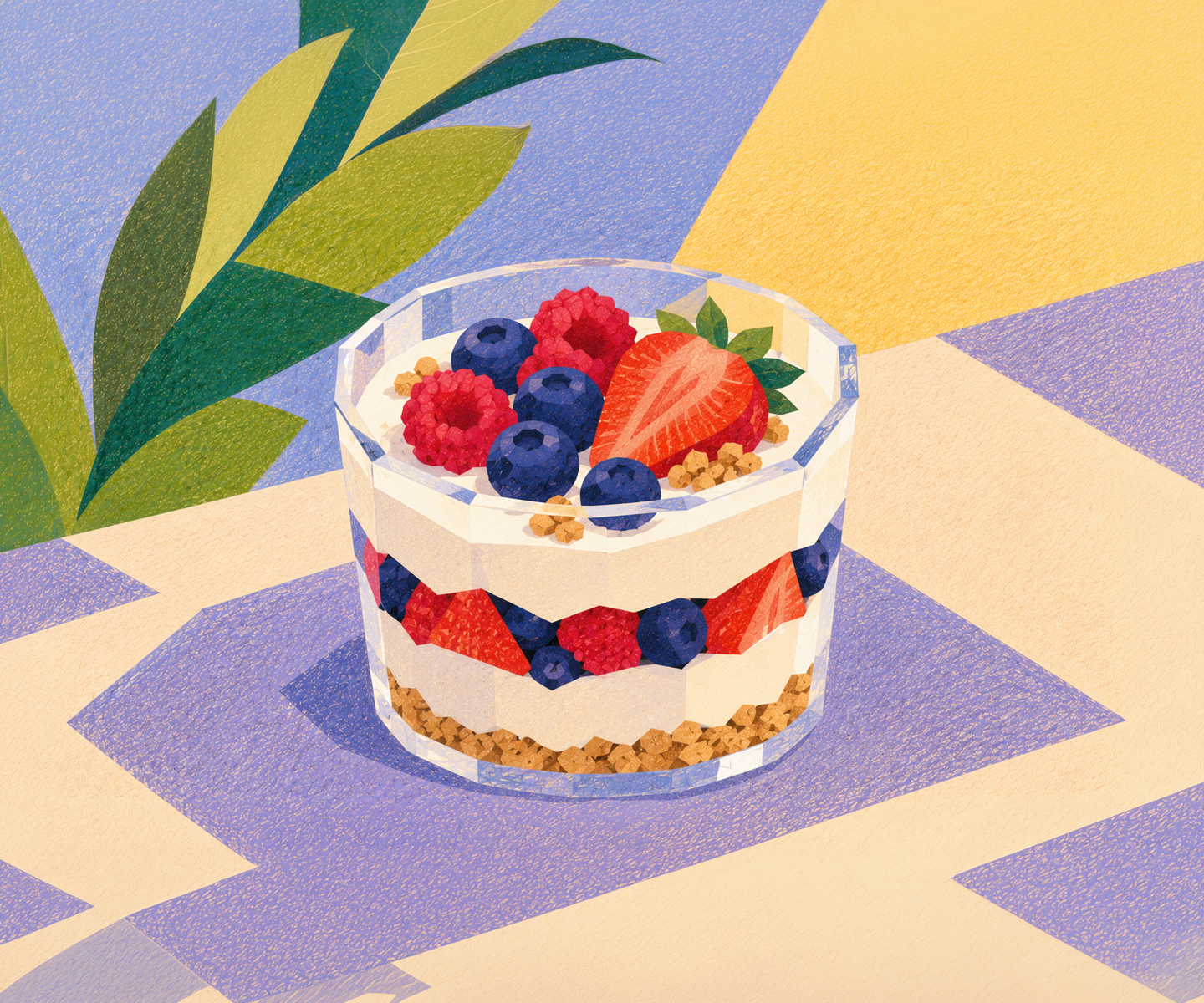
This isn't just a breakfast; it’s a high-protein dessert that kills sugar cravings instantly. The protein in the yogurt further stabilizes your blood sugar.
When you’re craving something cold, skip the ice cream. This "nice cream" uses frozen berries for a creamy texture without the added sugar.
Chocolate isn't off the table, you just have to choose the right kind. Dark chocolate (70% cocoa or higher) is lower in sugar and high in antioxidants.
