

Managing diabetes often feels like a constant math equation when you’re trying to figure out what to eat and how much. You’re calculating carbohydrates, tracking caloric intake, and trying to predict how a single slice of bread might affect your blood sugar levels three hours from now. It is exhausting, and for many, it turns the simple joy of eating into a source of significant stress.
We are presenting SMART goals this month focused on different topics in each blog post. SMART goals are a simple way to set clear, realistic goals that are easier to follow and achieve than broad or vague goals. SMART is an acronym that stands for:
S – Specific
The goal clearly states what you want to do.
M – Measurable
The goal includes a way to track progress.
A – Achievable
The goal is realistic and doable based on your current situation.
R – Relevant
The goal matters to your health and fits your personal needs and priorities.
T – Time-bound
The goal has a clear timeframe.
Here are three examples of how you can use SMART goals to help you work towards nutrition and food that best fuels your body on your health journey:
Managing diabetes often feels like a constant math equation. You’re calculating carbohydrates, focusing on portions, and trying to predict how a single slice of bread might affect your levels three hours from now. It is exhausting, and for many, it turns the simple joy of eating into a source of significant stress.
But here is the truth: Your relationship with food doesn’t have to be a battleground. The secret to long-term health with diabetes isn't perfection; it’s consistency. You don't need a PhD in nutrition to see results. By shifting your focus from "restriction" to "balance" and setting small, manageable milestones, you can stabilize your blood sugar, reduce "brain fog," and reclaim your energy.
Below, we dive deep into three foundational strategies that go beyond basic advice to help you master your metabolic health.
For years, the gold standard for diabetes management was weighing every gram of food. While precision has its place, it’s often unsustainable for a busy life. Enter the Plate Method (see below) a visual tool that requires no scales and no spreadsheets.
The Plate Method works because it inherently controls portions while prioritizing high-fiber, low-calorie density foods. Here is how to build it:
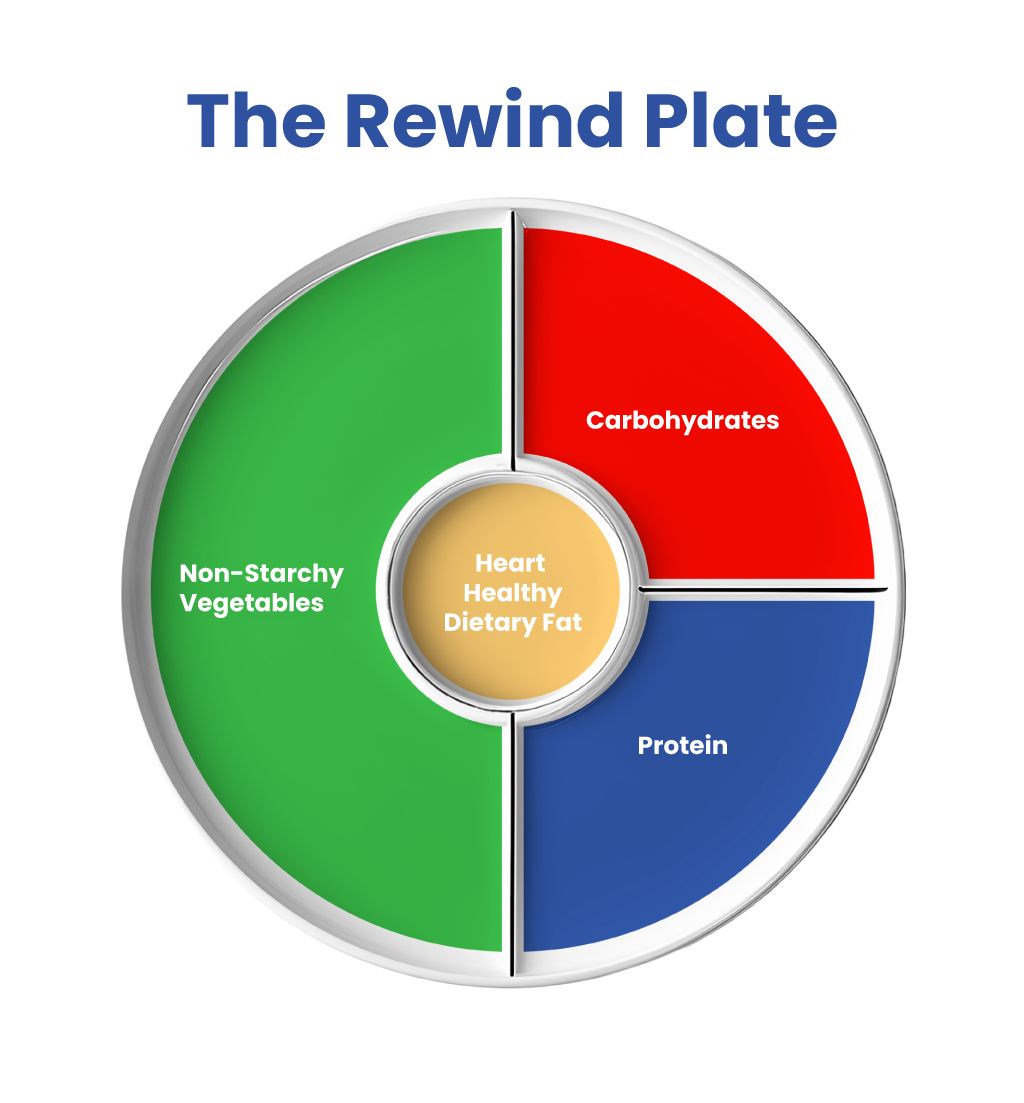
Why it works: By visualizing your plate this way, you ensure that the bulk of your meal is focused on fiber and protein, which are the two biggest allies in preventing "after-meal spikes."
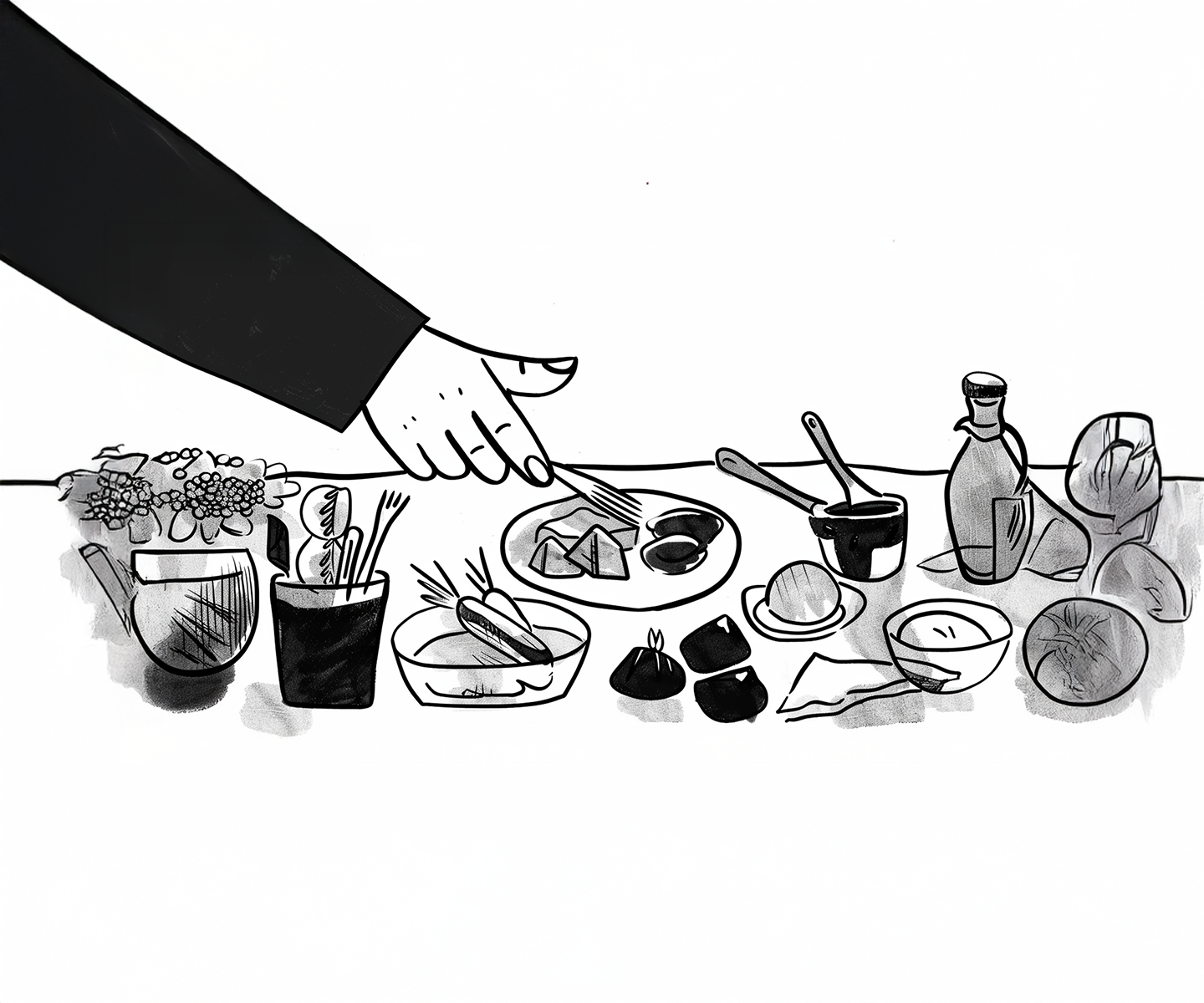
Most people focus entirely on what they eat, but scientific research suggests that the order in which you eat can be just as important for blood sugar management. This concept is known as Food Sequencing.
When you eat carbohydrates first (like starting a meal with bread or pasta), the glucose hits your bloodstream rapidly. However, if you change the order, you can create a "buffer."
The Result: By the time the carbohydrates are digested, the fiber and protein have already slowed down gastric emptying. Studies have shown that sequencing your bites in this order can reduce post-meal glucose peaks by up to 30-40%, providing a similar effect to some glucose-lowering medications, simply by changing your fork's path.
We often forget that what we drink impacts our blood sugar just as much as what we chew. Sugary sodas, sweetened lattes and other coffee drinks, and even "all-natural" fruit juices are concentrated sources of sugar that require zero digestion, meaning they hit your bloodstream almost instantly and cause the biggest jump in your blood sugar levels.
Advice is only helpful if it’s actionable. This is where many people fail because they try to change everything at once. Instead, we encourage patients to use SMART goals: Specific, Measurable, Achievable, Relevant, and Time-bound.
When you set a SMART goal, you remove the guesswork. You aren't "trying to eat better" and feeling like you fail if it’s not perfect. Instead, you are executing a specific plan.
Your SMART Goal Example: "Starting tomorrow, I will fill half of my dinner plate with non-starchy vegetables (like broccoli, spinach, or salad) at least 5 nights a week for the next 14 days."
Why this works:
Diabetes management is a marathon, not a sprint. Every time you choose water over soda, or fill your plate with non-starchy veggies, you are making a deposit into your long-term health bank. Be patient with yourself, celebrate the small wins, and remember that one "off" meal doesn't define your journey.