Spring Break Without the Setback: Navigating Travel and Staycations
Health
April 25, 2026
10 min
Jenna Ehteshami, MS, MPH, RD, LD
Spring break is often synonymous with a "break" from reality. For many, that means a break from the gym, a break from meal prep, and a break from routine. But when you are living with diabetes and working toward a weight-loss goal, your metabolism doesn't take a vacation.
Whether you are heading to a coastal beach, visiting family, or enjoying a "staycation" in your own backyard, the change in schedule can create a perfect storm for blood sugar spikes and unwanted weight gain.
The secret to enjoying your Spring Break isn't perfection, it’s proactive routine-shifting. Here is how to protect your progress while still enjoying the season of rest.
1. Expertly Navigating Travel Transitions
Travel is inherently stressful for the body. Between airport security, long car rides, and limited food options, your "stable" environment is replaced by a series of high-carb temptations and likely additional cortisol spikes from the stress.
The Strategy: Pack Your Environment
In our RD sessions, we often talk about controlling the controllables. You can't control the flight delay, but you can control what is in your carry-on.
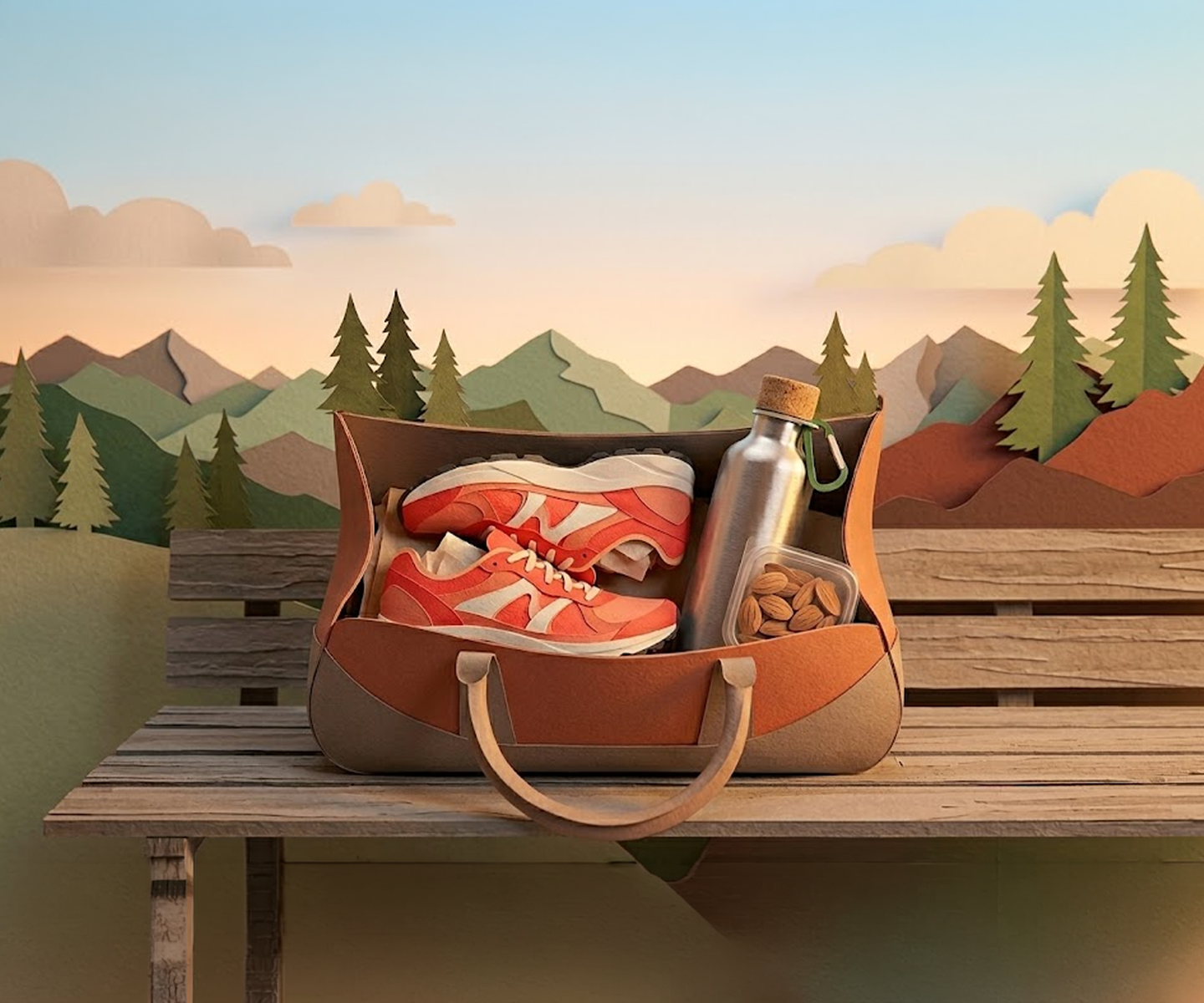
The Protein Buffer: Never rely on airport kiosks. Pack shelf-stable protein like individual packs of almonds, beef jerky (look for zero-sugar versions), or a few of your Rewind Meal Replacements so you always have something on hand and won’t enter the over-hungry state.
The Hydration Rule: Travel-induced dehydration is often mistaken for hunger. Drink 8oz of water for every hour you are in transit. This prevents "false hunger" from leading you to picking up something sweet or salty to satisfy the craving.
2. Mastering the Staycation
Staycations are actually trickier than travel because your brain associates "home" with your usual habits, but your schedule is suddenly empty. Boredom is the leading cause of grazing food behaviors and the small bites over and over as you keep passing through the kitchen can really add up.
The Strategy: Just because you aren't at work doesn't mean your metabolism should sleep in.
Keep the "Anchors": Keep your wake-up time and your first meal of the day consistent with your work week. This keeps your circadian rhythm (and your hunger hormones) in check.
The 10-Minute Rule: If you’re relaxing at home, commit to 10 minutes of movement after every meal. A quick walk around the block, taking your dog out, or some light spring gardening acts as a "glucose sponge," soaking up the sugar from your meal before it can be stored as fat.
3. Dining Out Without the Blood Sugar Spike
Whether on the road or at a local favorite, dining out is a staple of Spring Break. You don't have to be the person eating a plain side salad while everyone else enjoys themselves, but you do need a plan before walking through the door.
The Strategy: Order in "Reverse"
Fiber & Fat First: Start with a non-starchy vegetable (like roasted asparagus or a green salad with oil and vinegar). This creates a fiber "mesh" in your gut that slows down the absorption of any carbs that follow.
The "Alcohol Audit": If you choose to have a drink, avoid the sugary "tropical" spring cocktails. Stick to a dry wine or a clear spirit with sparkling water and lime.
Test Your Knowledge: Staying on Track During Spring Break
Two Steps Before Your Break Begins
Before your spring break week starts, do two things. First, identify three restaurants or grocery stores at your destination or near your home where you know you can get a high-protein low-carb meal. Save them in your phone so when hunger hits and decision fatigue sets in, you already know where to go. Second, pick one non-negotiable healthy habit to do every single morning of your break before 10 AM. Whether it is a 15-minute walk in the sun or starting your day with a meal replacement, locking in one morning win sets the tone for the rest of the day and keeps your metabolism from going into vacation mode.