
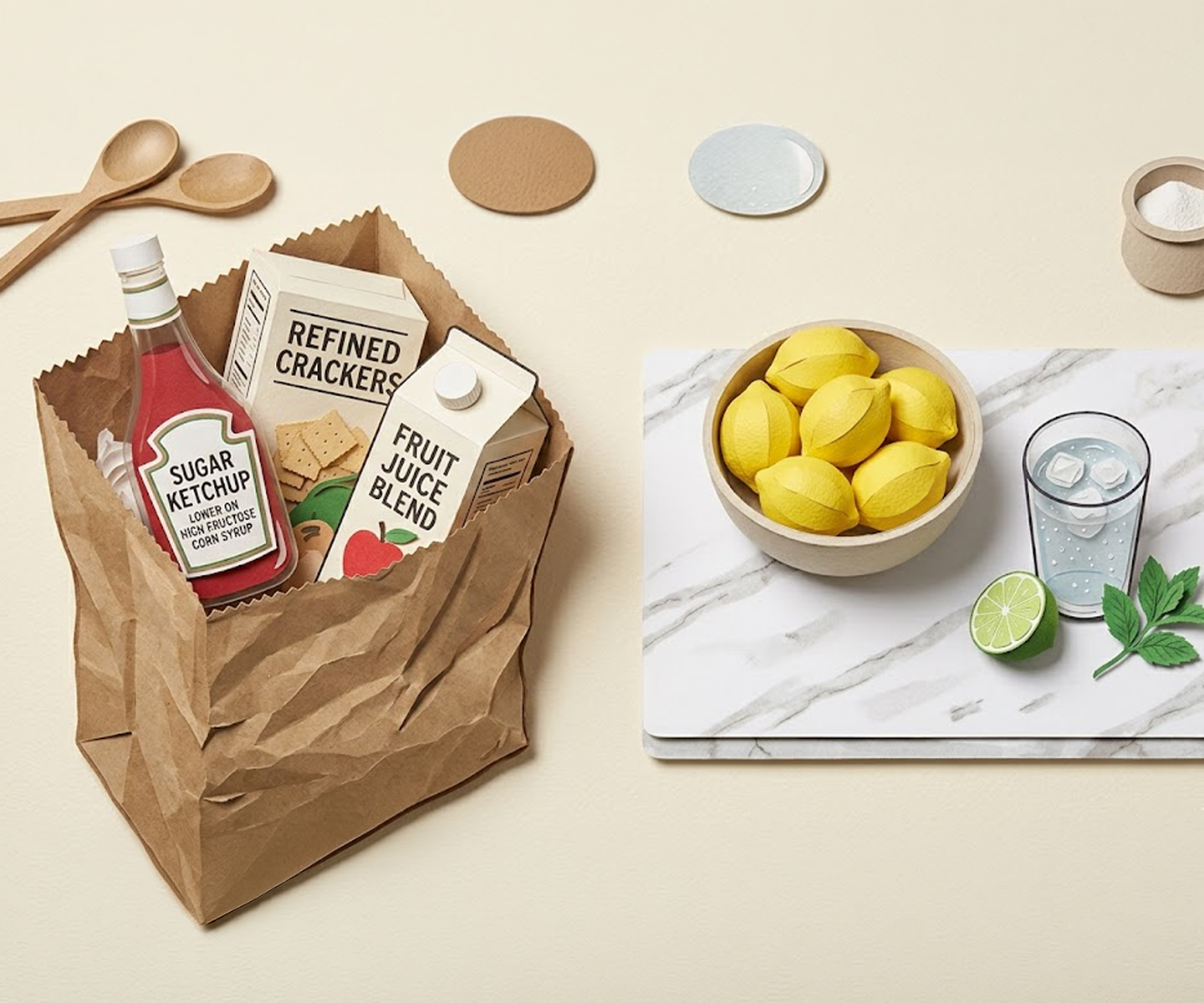


Spring is synonymous with renewal, growth, and newness. We open the windows to let out the stale winter air, scrub the corners we’ve ignored for months along the floorboards, and declutter our physical space. But for those living with diabetes or insulin resistance, the most important "spring cleaning" doesn't happen in the garage, it happens in the kitchen.
Your home is your food sanctuary. Research consistently shows that we don't just eat what we want; we eat what is visible, available, and easy. If you are working to lose weight and stabilize your blood sugar, you are fighting an uphill battle if your environment is working against you which is why we constantly talk about creating and maintaining a healthy food environment. We know things can pile up, so now is your chance to clean things out.
Here are the three things you should remove from your home today to create a healthy environment for metabolic health.
Most people are vigilant about the sugar in a slice of cake or other desserts, but very few realize there are hidden sugars in many store-bought condiments and sauces. This is a "hidden" culprit that contributes to keeping insulin levels elevated and prevents the body from tapping into fat stores for fuel.
The Problem: Standard ketchups, BBQ sauces, and even "low-fat" salad dressings are often packed with high-fructose corn syrup or cane sugar. When you pour it over your healthy grilled chicken, you are effectively turning a low-glycemic meal into a higher-glycemic one. This triggers a glucose spike, followed by an insulin surge, which isn’t beneficial for weight loss.
We often keep crackers, pretzels, and white pasta in the pantry "just in case." However, these are environmental landmines for someone with insulin resistance or someone who struggles with emotional eating.
The Problem: Refined flour products are essentially "pre-digested" carbohydrates. Because the fiber and germ have been stripped away, your body converts these starches into glucose almost instantly. For a person with diabetes, these snacks cause a "rollercoaster" effect: a sharp spike in blood sugar followed by a reactive "low" that leaves you feeling shaky and craving more carbs.
Many people transition from soda to fruit juice thinking it's a "health food." In reality, your liver and pancreas can’t tell much of a difference.
The Problem: When you eat a piece of fruit, the fiber slows the absorption of fructose. When you drink juice, you get all the sugar with none of the "brakes" that the fiber provides with the whole food. Furthermore, liquid calories don't trigger "fullness" signals in the brain, making overconsumption almost guaranteed without satiety.
