
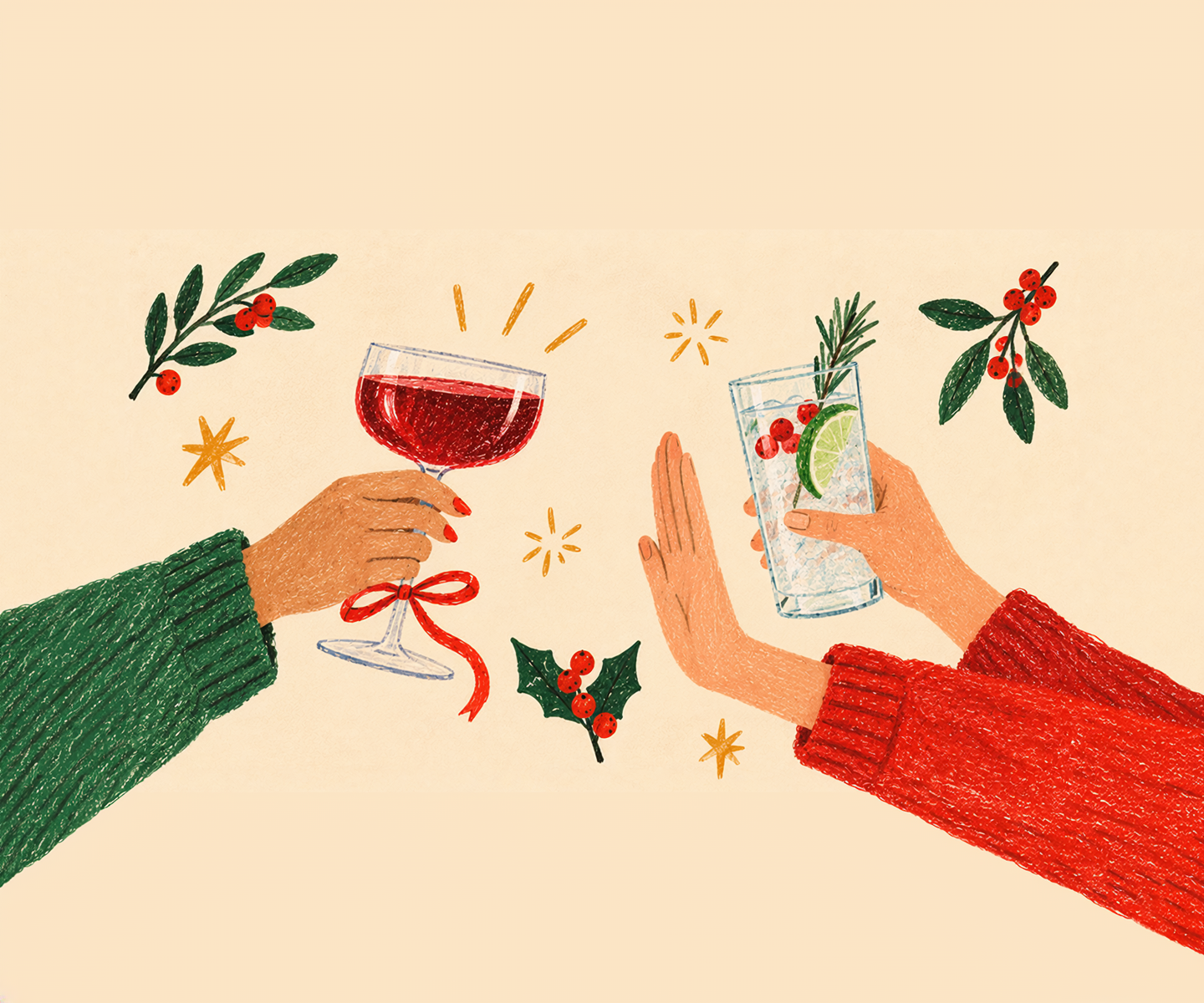


The holiday season is a celebration of community, connection, and gathering around shared tables. Whether it’s an intimate dinner party, a bustling family feast, or a festive workplace gathering, food and drinks are almost always at the center of how we honor tradition and express hospitality. But if you’re living with diabetes, working to keep your blood sugar in range, or managing your weight, these gatherings can bring a subtle, constant anxiety: How do I protect my health goals without disappointing or offending my host?
We frequently hear from members who feel caught between two uncomfortable choices: either compromising their health by accepting food and drinks they don't want, or feeling guilty for turning down a host’s hard work. When a host proudly presents a signature casserole, offers a heavy holiday cocktail, or leads a group toast with sugary drinks, saying "no thank you" can feel like a personal rejection.
The truth is, you never have to sacrifice your health to be a gracious guest. Loving your host and honoring your body are not opposing goals. With a few practical communication strategies and a shift in perspective, you can navigate holiday hospitality with grace, confidence, and complete peace of mind.
Here are three simple, powerful ways to protect your goals while making your host feel valued, appreciated, and loved.
To decline food or drinks gracefully, it helps to understand why hosts can be so persistent. For many hosts who love bringing family and friends together, offering food and drinks is their primary love language. They aren't trying to sabotage your A1C or disrupt your weight loss routine; they are looking for validation, connection, and reassurance that their guests are feeling welcomed and cared for.
When a host offers you a plate or pouring you a glass, what they are really asking is: "Do you feel comfortable here? Do you appreciate the effort I put into this gathering?"
If your immediate answer is an abrupt refusal like "I can't eat that, it's terrible for my blood sugar," the host may hear: "I don't appreciate what you made." To bridge this gap, use the validation first technique. Express enthusiasm and warmth for their effort before stating your choice.
By offering genuine appreciation and curiosity, you fulfill the host’s underlying desire to share joy and hospitality. You also do not have to consume anything that strays from your personal health plan.
Social events aren't just about what is served; they are about participating in the shared experience. Often, hosts press drinks or extra helpings on guests simply because they notice an empty hand or a plate without food, which triggers a host's natural impulse to serve.
You can preemptively remove this pressure by adopting other strategies. By always having a supportive beverage or dish in hand, you blend seamlessly into the celebration while staying completely in control of your intake.
When your hands are full and you are actively engaged in the celebration, hosts will naturally see that you are fully immersed and taken care of, ending any urge to nudge more food or drinks your way.
When hosts or well-meaning family members double down with comments like, "Oh, come on, it's the holidays! Just one little bite won't kill you!" our natural reaction is often to defend ourselves with lengthy medical explanations about blood sugar, carbohydrates, or doctor recommendations.
However, detailed explanations often invite debate. Well-meaning loved ones might respond with unsolicited advice ("My neighbor cured his blood sugar using this herb!") or push further ("Just skip dinner tomorrow!").
To protect your boundaries and maintain peace, keep your responses short, confident, and lighthearted. You do not owe anyone a breakdown of your personal health data to justify what you choose to eat or drink.
When you speak with warmth, a relaxed smile, and steady body language, people quickly take your lead and move on to the next conversation topic.
